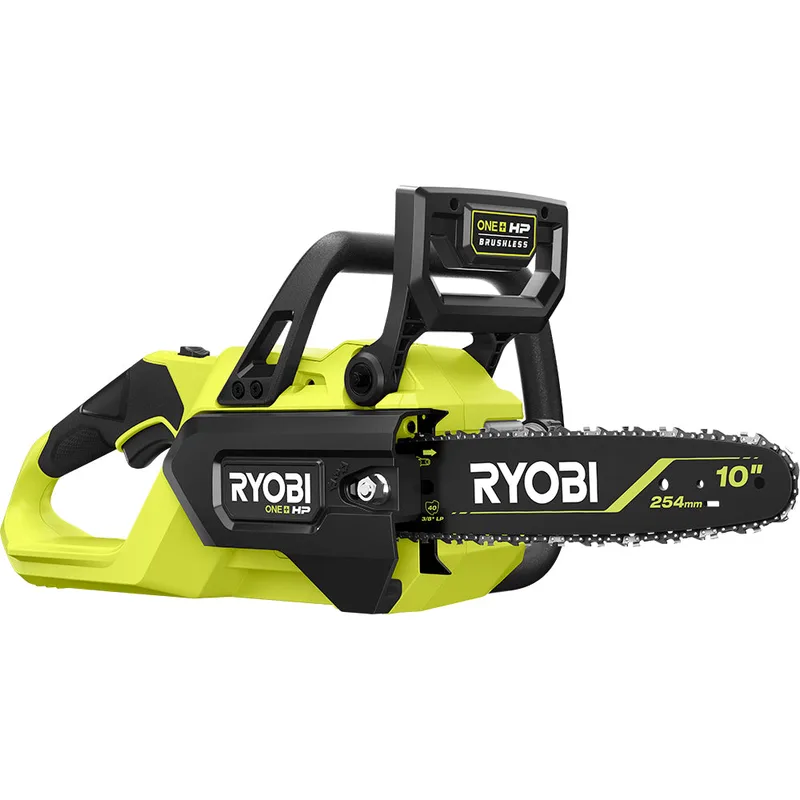
Best Homeowner Chainsaw: 5 Models Compared
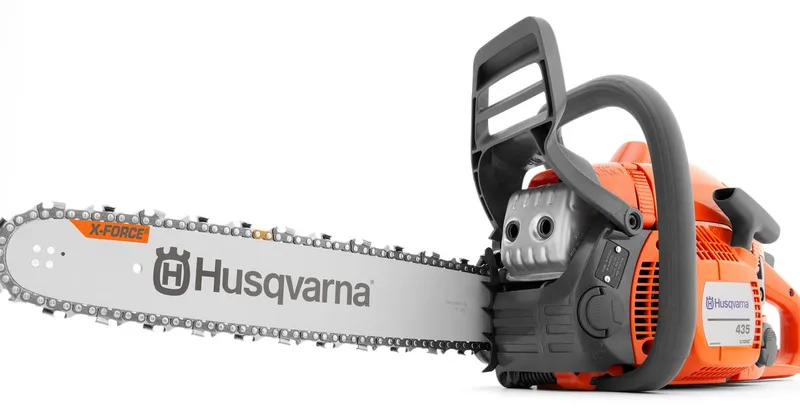
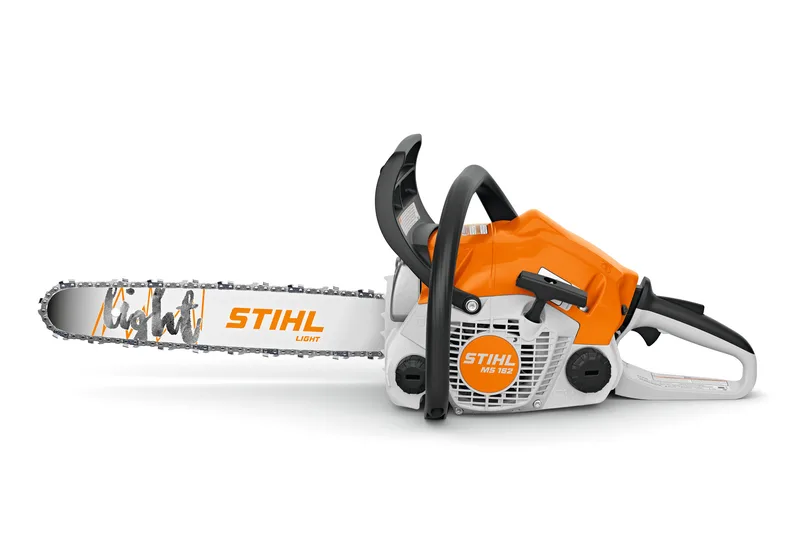
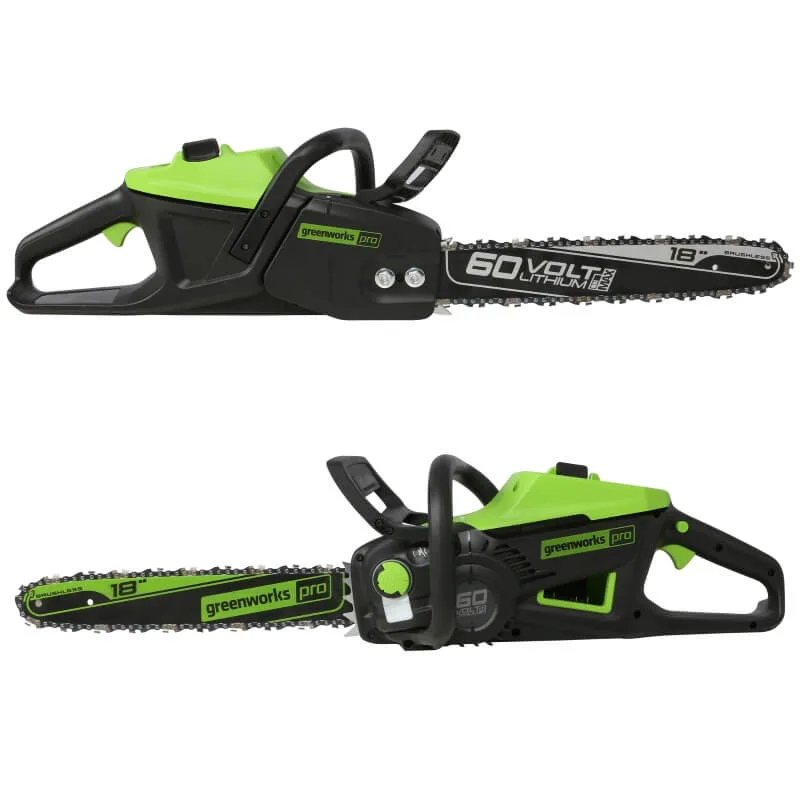
Five chainsaws that manufacturers themselves classify for homeowner, home-maintenance, or light-duty use — gas and battery models sized for yard work and storm cleanup, not daily professional felling.
What to Look For in a Homeowner Chainsaw
A saw built for occasional yard work asks for a different set of trade-offs than one built for someone running a saw for a living. Weight and balance matter more than raw cutting speed, because the person holding it is doing an afternoon of pruning or storm cleanup, not felling trees eight hours a day. Displacement and power still matter, but the ceiling is lower: enough torque to clear a fallen limb or buck a downed tree into firewood-length rounds, not enough that the saw needs a dedicated case and ear protection rated for daily use.
Fuel type is now a real choice rather than a given. A small gas engine starts reliably and never runs out mid-cut, but it asks for mixed fuel, a working carburetor, and a warm-up routine every time. A battery saw skips all of that at the cost of runtime, and for the kind of session most homeowners actually run — thirty minutes of trimming, not a full day of production cutting — that trade tends to favor the battery.
The models below were picked on one test: what does the manufacturer itself say the saw is for? Husqvarna, Stihl, Greenworks, EGO, and Ryobi label their entries "home maintenance," "homeowner," "light-duty," or similar directly in their own published specifications — not a category assigned after the fact. That rules out saws a brand markets to arborists or utility crews even when their size overlaps with homeowner-class saws.
For how homeowner and professional saws diverge more generally, see the professional vs. homeowner chainsaw guide; for the fuel-type trade-off itself, see gas vs. battery vs. electric.