Best Professional Chainsaw: 5 Models Compared
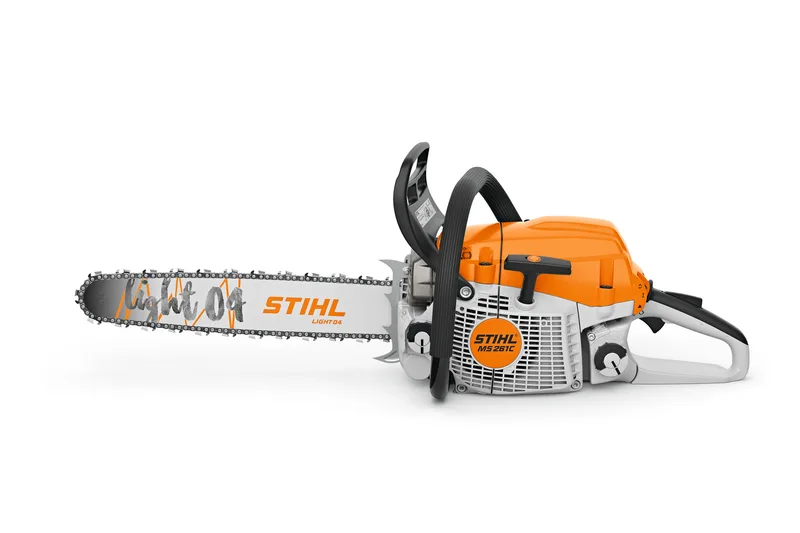
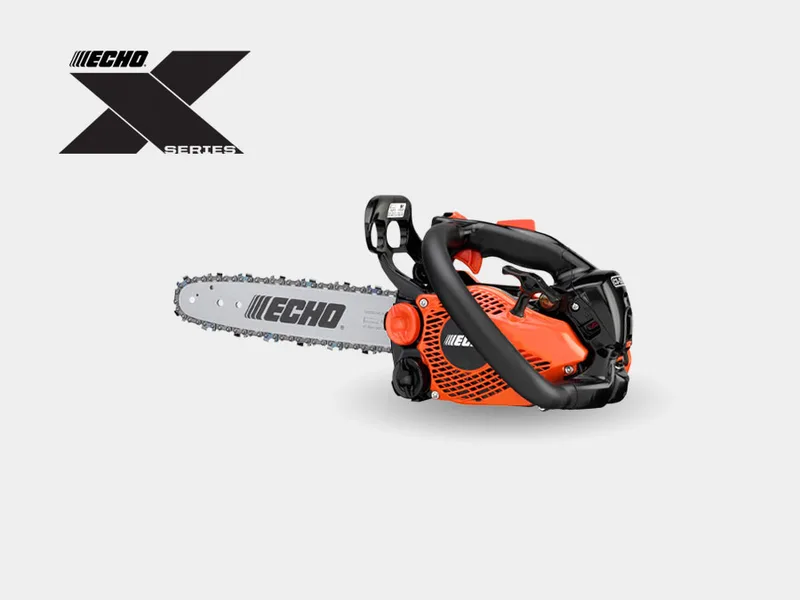
Five chainsaws that manufacturers themselves classify as professional or arborist-grade, spanning full-size felling saws, a lightweight arborist top-handle, and a cordless option.
What "professional" means on a spec sheet
Manufacturers use "professional" as a formal classification, not a marketing adjective — it usually maps to a duty-cycle rating: how many hours a day, how many days a week, the saw is engineered to run without excessive wear. That rating shapes everything else on the spec sheet: engine displacement, chain speed, vibration dampening, and the balance between power and weight. A saw a manufacturer rates for construction-grade or landowner-grade use publishes different numbers than one it rates for tree service or arborist work, even when the raw displacement looks similar.
This roundup pulls together five saws that their own manufacturers place in a professional or tree-service category, spanning the range that "professional" actually covers on a job site: full-size gas saws built for felling and bucking large-diameter timber, a lightweight top-handle saw built for one-handed limbing work in the canopy, and a battery-electric saw built for crews who need professional output without mixed fuel or exhaust. None of these is a homeowner-grade saw with a professional-sounding name — each carries an explicit professional or arborist classification from its manufacturer, verified against the stored spec data before being included here.
The picks below aren't ranked by raw power alone. A felling saw and a top-handle arborist saw solve different problems, so each pick explains which part of professional-grade work it's built for and the numbers that support that role.