
Stihl Chainsaws
Germany · Est. 1926 · 21 models
Stihl is a German family-owned manufacturer of chainsaws and outdoor power equipment, founded in 1926 by Andreas Stihl, who invented the first one-person chainsaw. Headquartered in Waiblingen, Germany, Stihl is the world's best-selling chainsaw brand. Their lineup includes gas-powered MS series and battery-powered MSA series chainsaws.
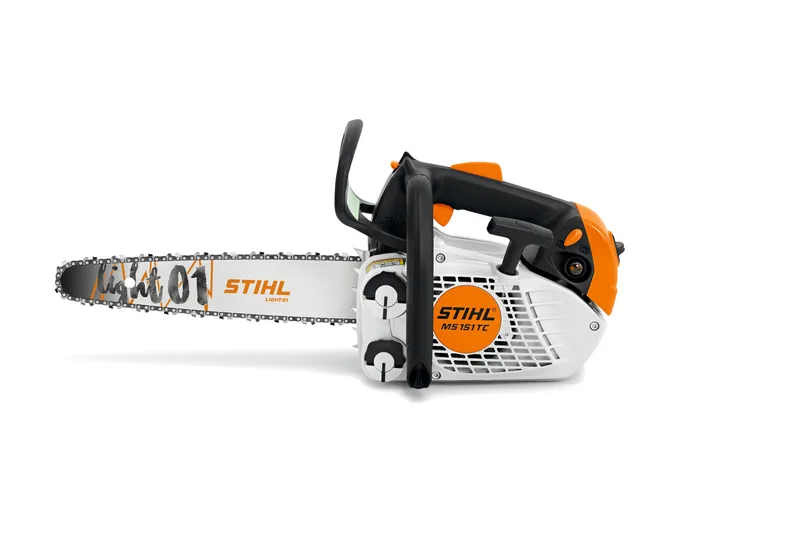
MS 151
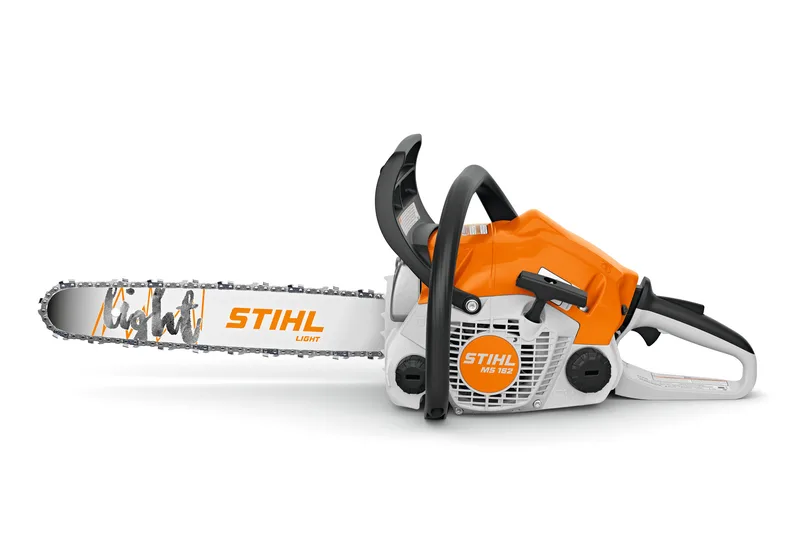
MS 162
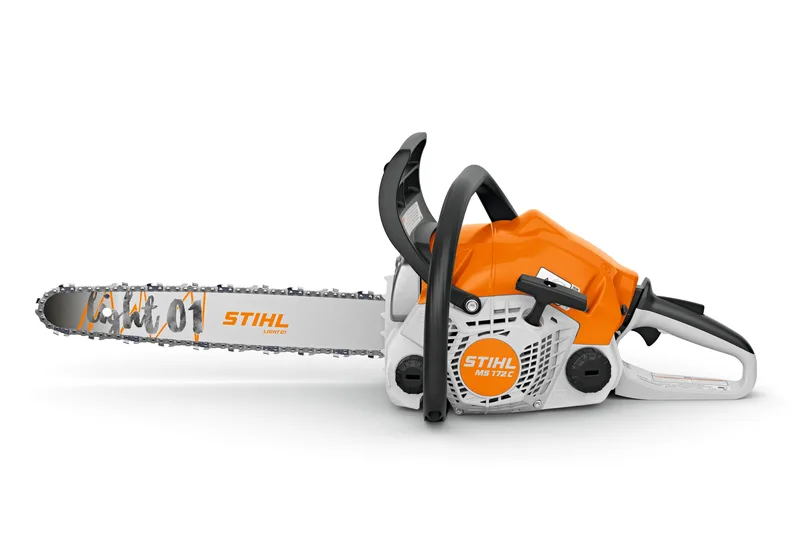
MS 172
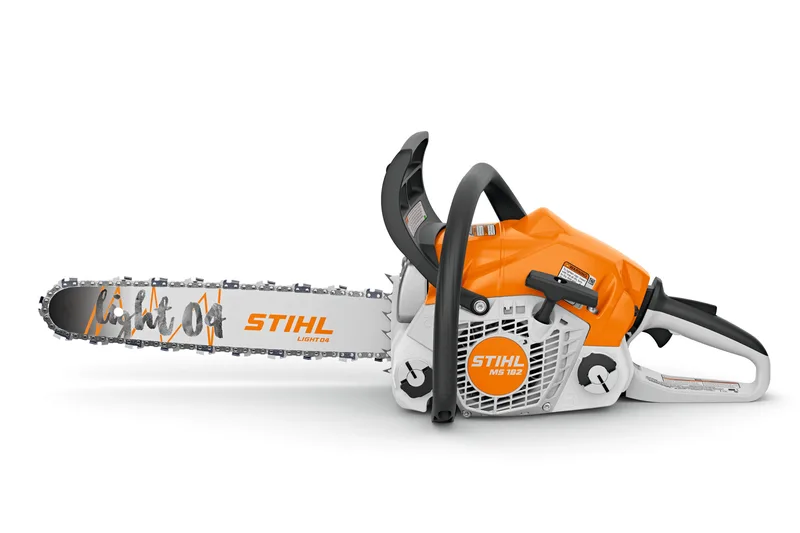
MS 182
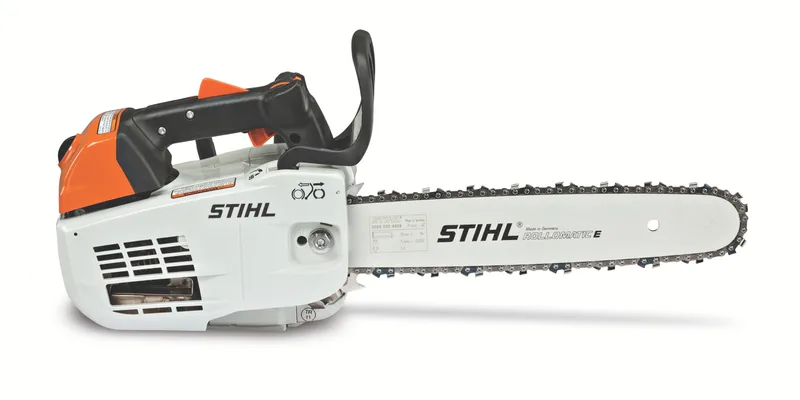
MS 201
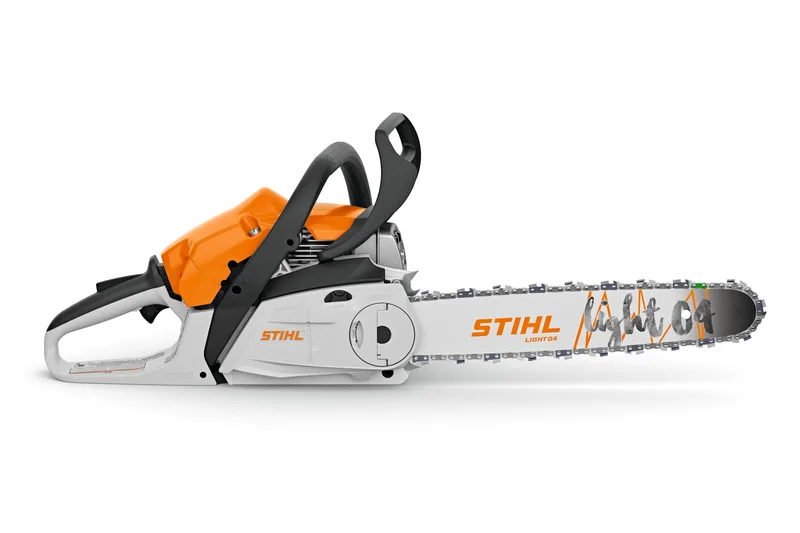
MS 212
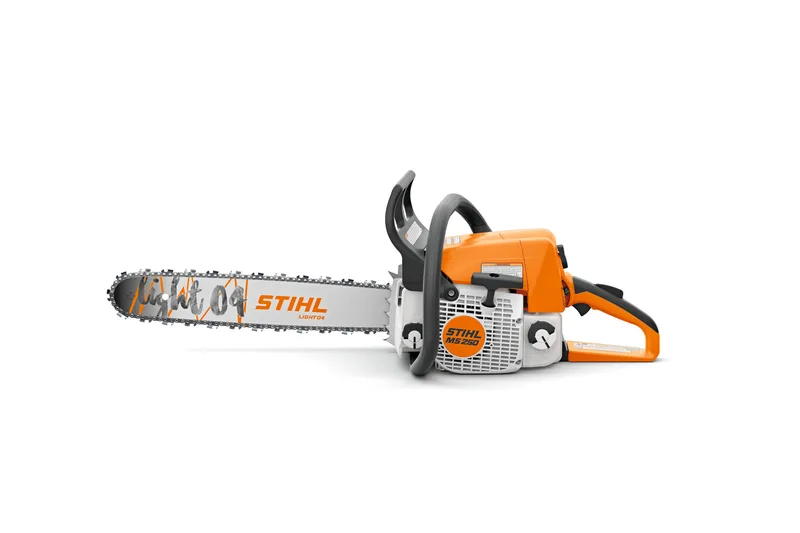
MS 250
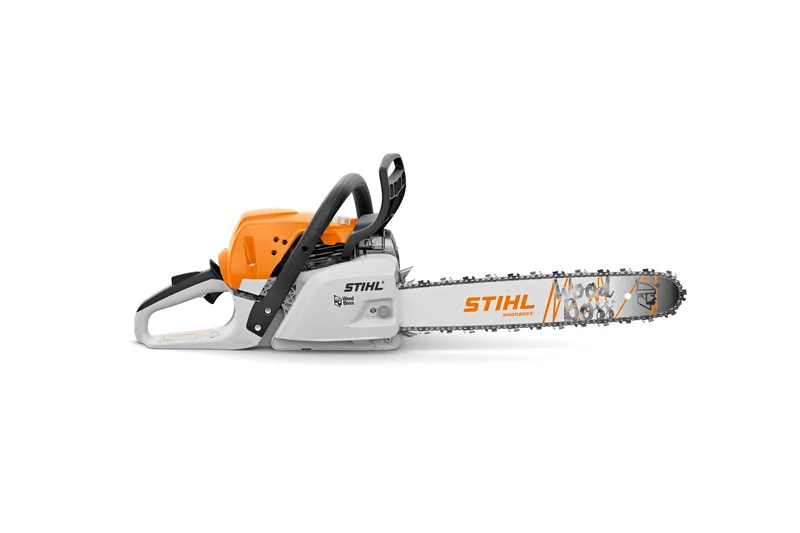
MS 251
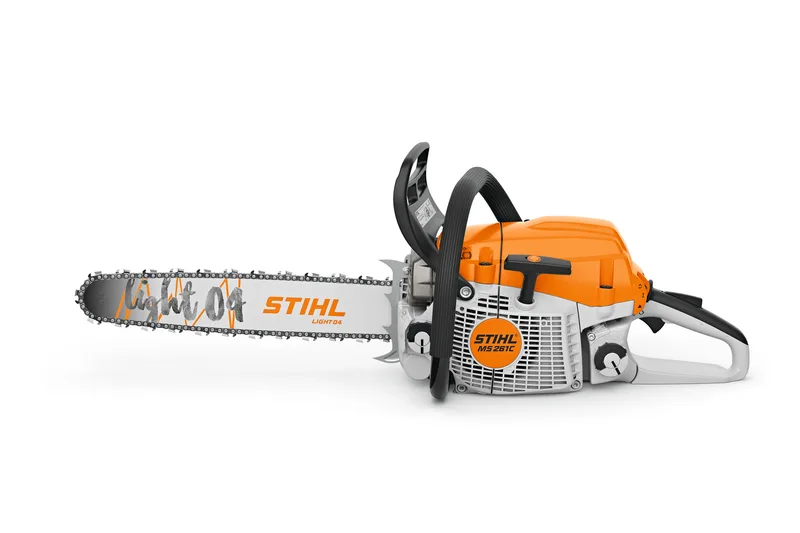
MS 261
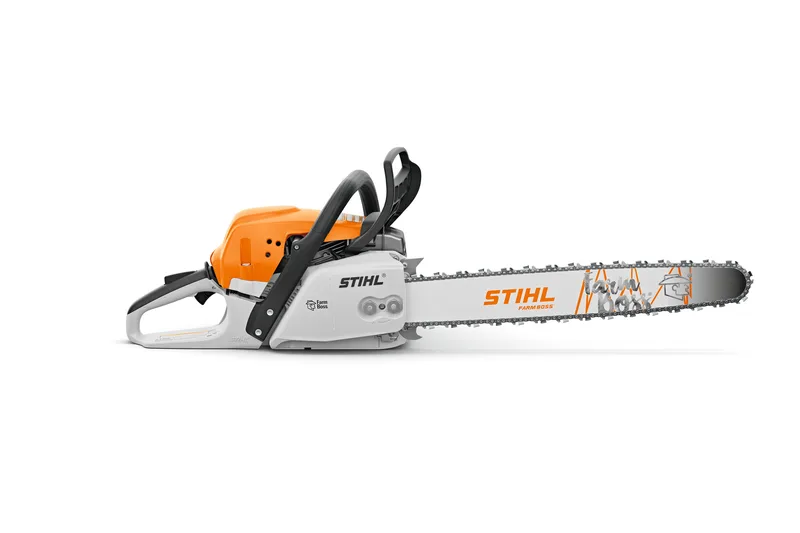
MS 271
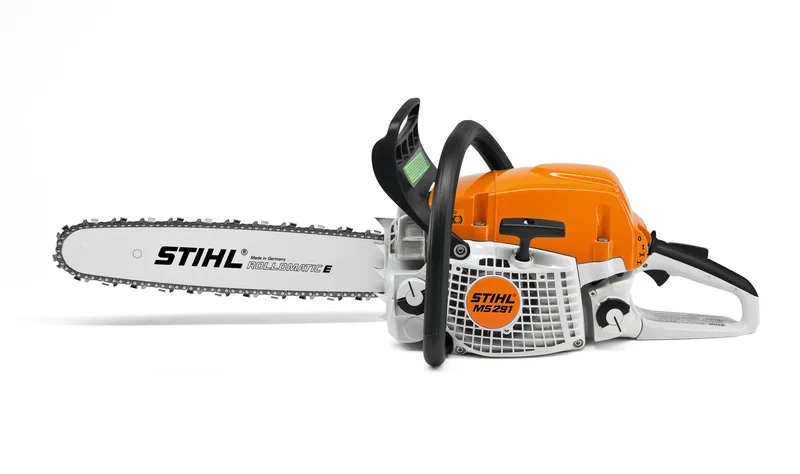
MS 291
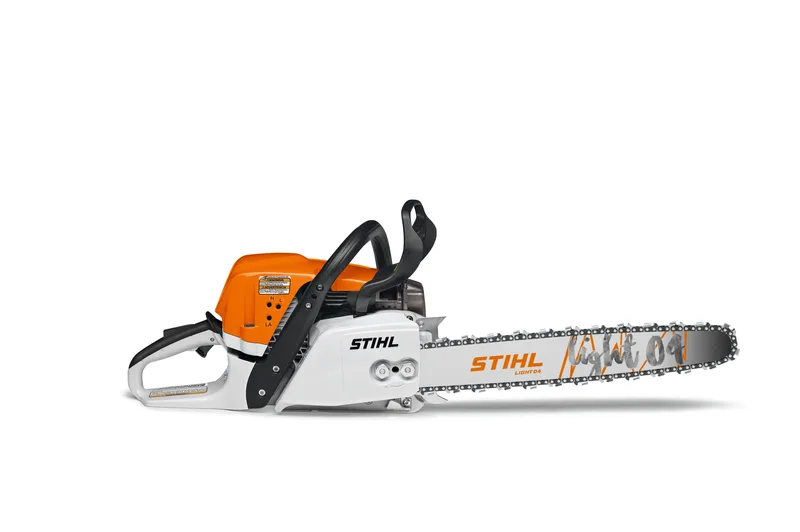
MS 311
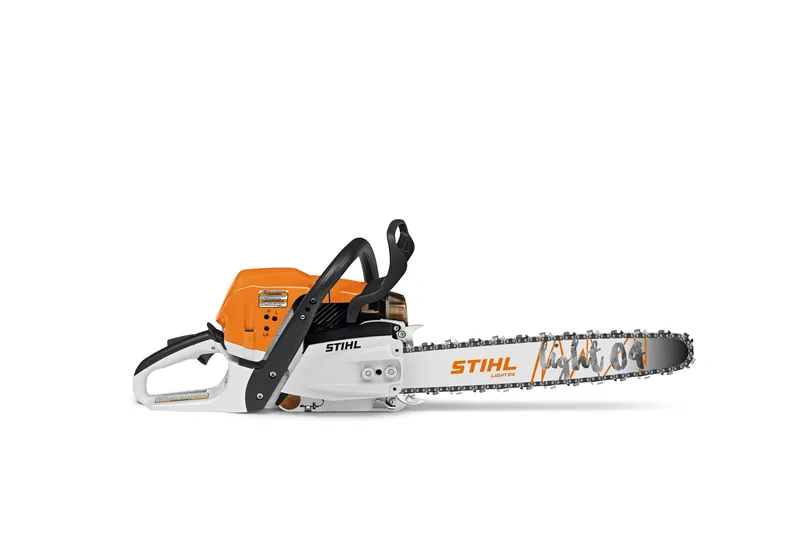
MS 362
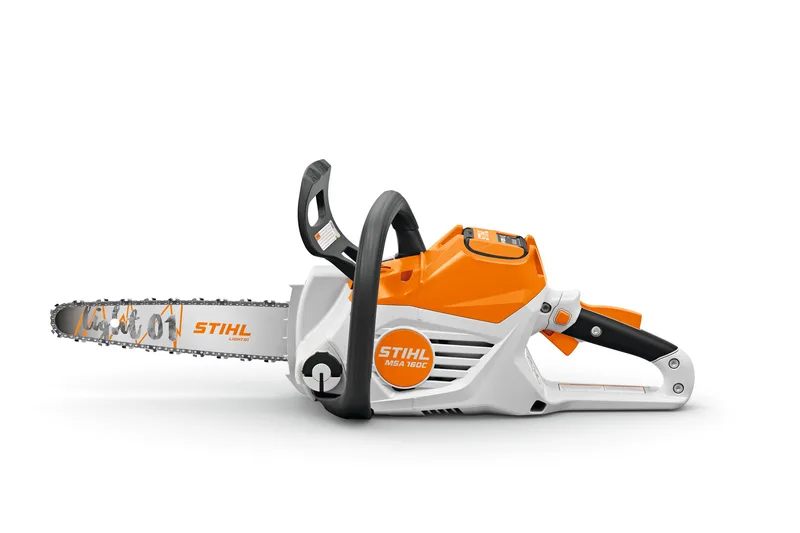
MSA 160
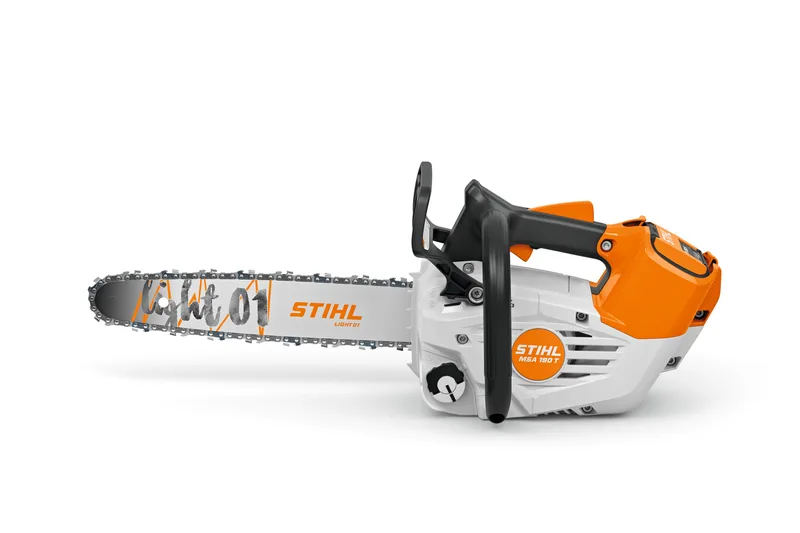
MSA 190
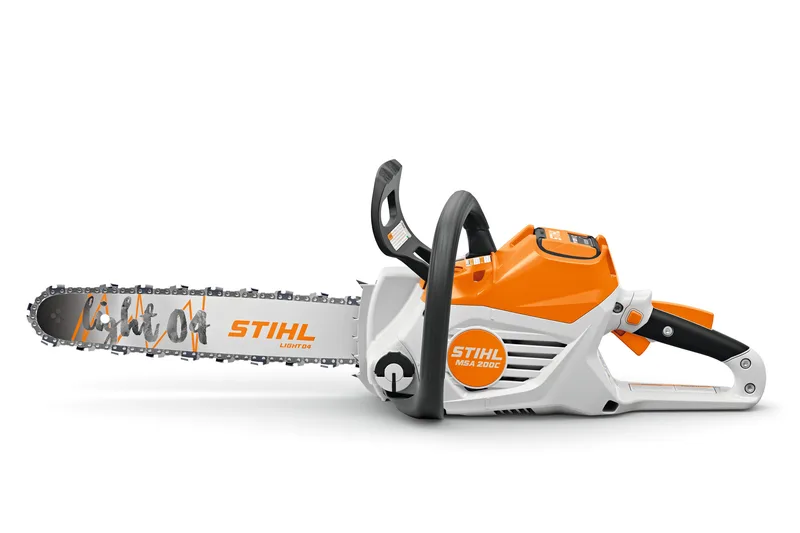
MSA 200
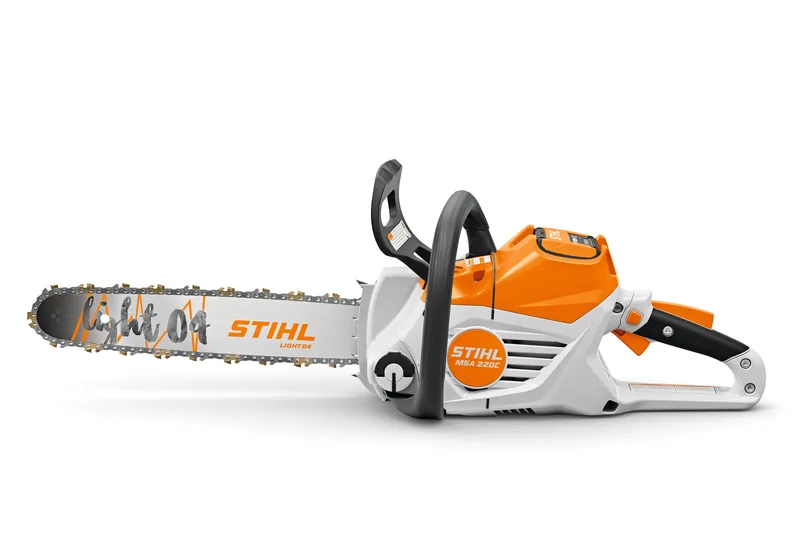
MSA 220
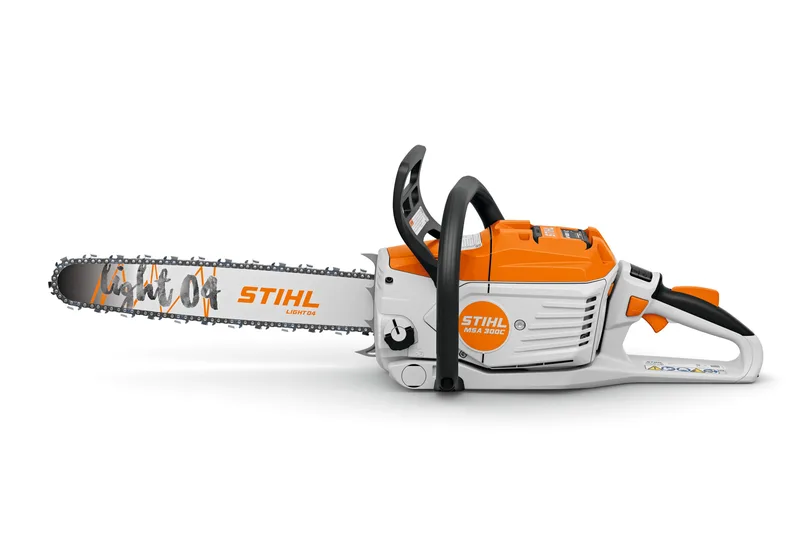
MSA 300
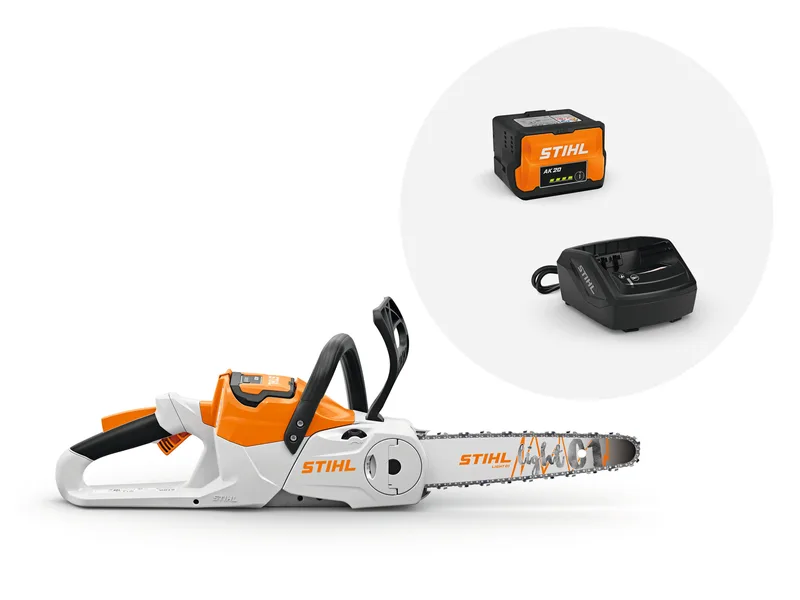
MSA 60
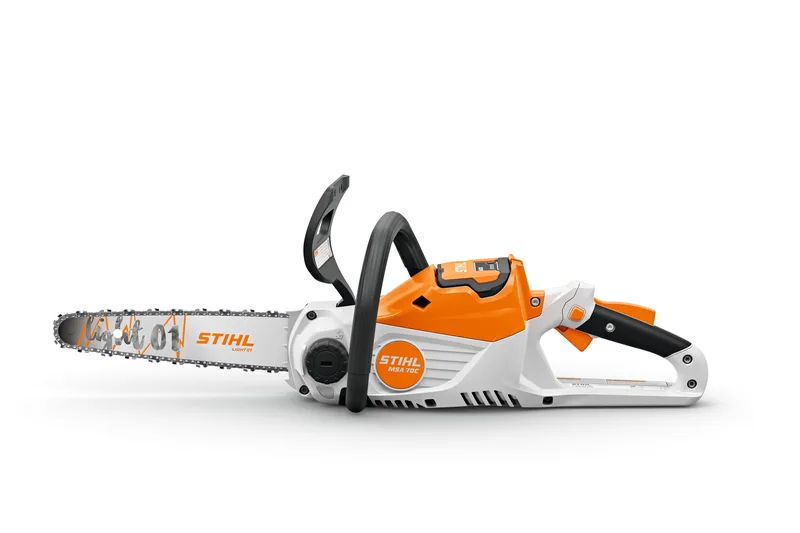
MSA 70
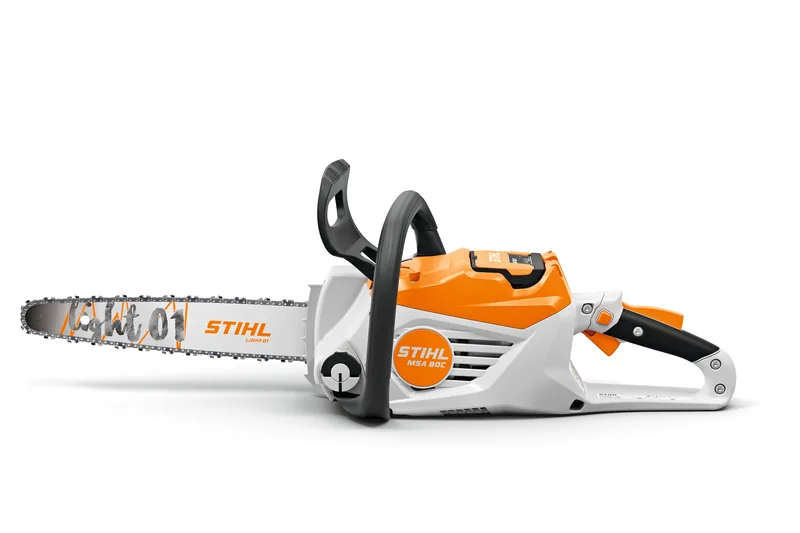
MSA 80
All 21 Stihl models
Specifications as published by the manufacturer. A dash means the figure is not published.
| Model | Engine | Power | Bar | Weight | Fuel |
|---|---|---|---|---|---|
| MS 151 | 22.93 cc | 1.5 HP | 25.4 cm | 2.59 kg | — |
| MS 162 | 29.5 cc | 1.6 HP | 40.6 cm | 4.5 kg | gasoline |
| MS 172 | 31.1 cc | 1.9 HP | 40.6 cm | 4.7 kg | E-10 (fuel with no more than 10% Ethanol content) |
| MS 182 | 36.1 cc | 2.2 HP | 40.6 cm | 4.54 kg | gasoline |
| MS 201 | 34.4 cc | 2.4 HP | 30.5 cm | 3.72 kg | Gasoline |
| MS 212 | 39.1 cc | 2.4 HP | 45.7 cm | 4.9 kg | Gasoline with max 10% Ethanol |
| MS 250 | 45.9 cc | 3 HP | 45.7 cm | 4.58 kg | Gasoline |
| MS 251 | 45.9 cc | 3 HP | 45.7 cm | 4.8 kg | — |
| MS 261 | 50.8 cc | 4.1 HP | 40.6 cm | 4.95 kg | gasoline |
| MS 271 | 50.7 cc | 3.5 HP | 50.8 cm | 5.6 kg | Gasoline with up to 10% Ethanol |
| MS 291 | 55.7 cc | 3.8 HP | 45.7 cm | 5.6 kg | gasoline with no more than 10% Ethanol content |
| MS 311 | 59.0 cc | 4.2 HP | 45.7 cm | 6.26 kg | Gasoline with no more than 10% Ethanol content |
| MS 362 | 59.0 cc | 4.8 HP | 45.7 cm | 5.58 kg | — |
| MSA 160 | — | — | 30.48 cm | — | Battery |
| MSA 190 | — | — | — | 4.49 kg | Battery |
| MSA 200 | — | — | — | — | Battery |
| MSA 220 | — | — | 40.6 cm | — | Battery |
| MSA 300 | — | — | — | — | Battery |
| MSA 60 | — | — | — | — | Battery |
| MSA 70 | — | — | — | — | battery |
| MSA 80 | — | — | 35.56 cm | 4.58 kg | battery |
How the Stihl chainsaw range is organised
Stihl's line-up splits at the prefix: MS saws run on petrol, MSA saws run on a battery. Within each family the range then sorts almost perfectly by engine size or motor output, which is what makes it easy to place any saw you come across.
Petrol, homeowner and light duty
The entry band runs from the MS 162 at 29.5 cc and 4.5 kg through the MS 172 (31.1 cc) and the MS 182 (36.1 cc). All three are listed for homeowners and light-duty work and all three are rated around a 40.6 cm bar. Above them the MS 212 (39.1 cc, 45.7 cm bar) and the MS 250 / MS 251 pair (both 45.9 cc and 2.2 kW) move into firewood.
Petrol, farm and firewood
The MS 271 (50.7 cc, 50.8 cm bar), MS 291 (55.7 cc) and MS 311 (59 cc, 6.26 kg) are the agriculture, construction and firewood saws. More displacement, and noticeably more weight to carry with it.
Petrol, professional
Two saws cover the same displacements with a better power-to-weight ratio: the MS 261 at 50.8 cc, 3.0 kW and 4.95 kg, and the MS 362 at 59 cc, 3.5 kW and 5.58 kg. Both are lighter than the farm saw of matching size and both make more power.
Petrol, tree service
The MS 151 (22.93 cc, 2.59 kg) and the MS 201 (34.4 cc, 3.72 kg) are listed for tree service professionals only: small, light saws meant to be worked off the ground.
Battery
The MSA family sorts by output rather than displacement. MSA 60 at 0.7 kW and MSA 70 at 0.9 kW are listed for grounds maintenance and trades; MSA 80 (4.58 kg, 35.56 cm bar) and MSA 160 sit at 1.2 kW; MSA 190 is a 1.2 kW, 4.49 kg tree-service saw; and the range tops out with MSA 200 at 1.5 kW, MSA 220 at 1.7 kW on a 40.6 cm bar and MSA 300 at 2.9 kW.
Reading a Stihl model number
MS stands for Motorsäge, German for motor saw, and marks a petrol chainsaw. MSA adds A for Akku, battery. The prefix settles the power source before you read a single digit.
On petrol saws the number climbs with the engine, and in our data the order is unbroken through the mid-range: MS 162 29.5 cc, MS 182 36.1 cc, MS 212 39.1 cc, MS 250 45.9 cc, MS 261 50.8 cc, MS 291 55.7 cc, MS 311 59 cc. Only two saws sit below where their number suggests, the MS 151 and the MS 201, and both are tree-service models: a low weight against a high number points to an arborist saw rather than a big engine.
A changed final digit at unchanged size marks a revision. The MS 250 and MS 251 are both 45.9 cc and 2.2 kW.
Battery numbers track motor output instead, in strict order: 0.7 kW on the MSA 60, 0.9 on the MSA 70, 1.2 on the MSA 80, 160 and 190, 1.5 on the MSA 200, 1.7 on the MSA 220, 2.9 on the MSA 300.
Retail names often add letters after the number: C for comfort features, B for tool-free chain tensioning, E for Easy2Start, M for M-Tronic engine management, R for a wrap handle, T for a top handle. Those describe the variant, not the size, and these pages carry the base designation, so an MS 251 C-BE is the MS 251 listed here.